The Importance of Multiple Cameras for Wedding Videographers
- Michel Cros
- 22 hours ago
- 2 min read

Capturing a wedding is one of the most demanding and rewarding jobs for a videographer. Every moment counts, from the quiet anticipation before the ceremony to the lively celebrations at the reception. One question I often get from couples is: Why do wedding videographers need so many cameras? The answer lies in the need to capture every angle, movement, and emotion seamlessly, creating a story that feels as alive as the day itself.

Capturing Every Angle Matters
Weddings are full of moments that happen simultaneously. While the bride walks down the aisle, guests are reacting, the groom is waiting, and the officiant is preparing. A single camera cannot capture all these perspectives at once. Using multiple cameras allows me to:
Film the bride’s entrance from the front and side
Capture the groom’s expression from a close-up angle
Record the reactions of family and friends
Get wide shots of the entire ceremony space
This variety of angles makes the final video dynamic and engaging. It feels like you are reliving the day, not just watching a static recording.
Movement and Timing Are Crucial
Weddings are full of movement, from walking down the aisle to dancing at the reception. Cameras need to be positioned to follow this movement smoothly. For example:
One camera stays fixed to capture the ceremony’s main action
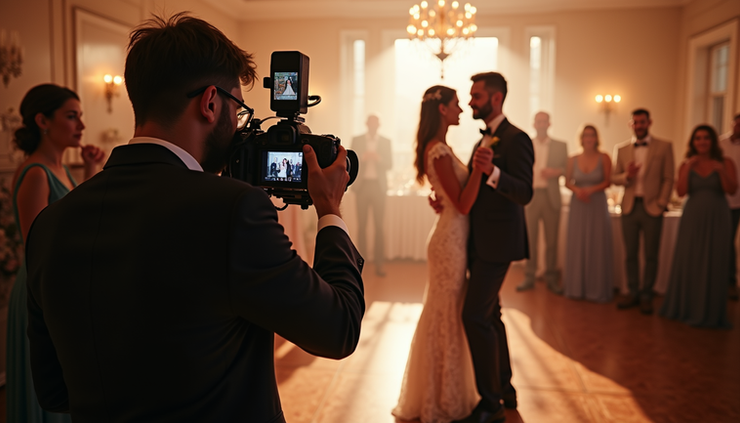
Another camera moves with the couple during their first dance
A third camera captures candid moments of guests mingling
Having multiple cameras means I can switch between shots without missing any important movement. This keeps the video flowing naturally and avoids awkward cuts.
Different Cameras for Different Purposes
Not all cameras are the same. I use a mix of equipment to get the best results:
Main cameras with high resolution and good zoom for close-ups and wide shots
Action cameras for unique angles, such as mounted on a drone or steadicam for smooth movement
Backup cameras to ensure no moment is lost if one camera fails
Each camera serves a specific role, and together they create a comprehensive record of the wedding day.
Why It Matters for the Ceremony and Reception
The ceremony is the heart of the wedding, but the reception is where the story continues with speeches, laughter, and dancing. Multiple cameras help me cover both parts effectively:
During the ceremony, cameras focus on the couple, the officiant, and the audience
At the reception, cameras capture speeches from different angles, the cake cutting, and the dance floor action
This approach ensures no special moment is missed, and the final video reflects the full experience of the day.

How Multiple Cameras Improve Storytelling
Using several cameras allows me to tell a richer story. I can cut between different perspectives to highlight emotions and reactions. For example:
Show the groom’s nervous smile as the bride walks down the aisle
Switch to the bride’s joyful tears during vows
Capture guests clapping and cheering from various angles
This variety makes the video feel more personal and immersive. It’s not just about recording events but about conveying the emotions and atmosphere.


Comments